Oral history and histories of care
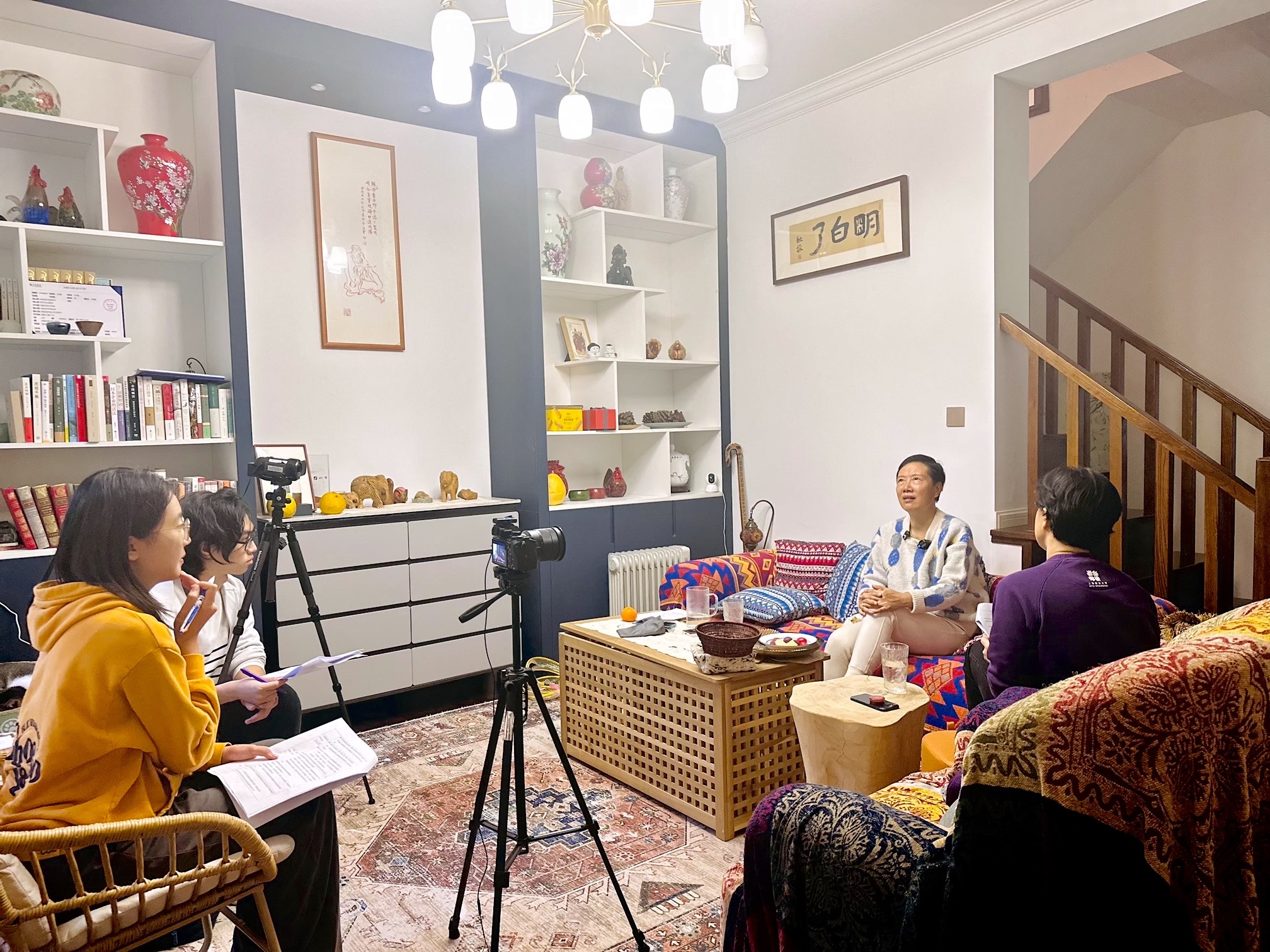
My breast-cancer research is grounded in sustained listening. Through oral-history interviews with survivors and caregivers in Shanghai and the United Arab Emirates, I examine experiences that are often difficult to recover from institutional or medical archives alone: uncertainty, work, family obligation, embodiment, intimacy, religious interpretation, and the labor of caregiving.
I approach these interviews not simply as data collection but as a form of historical collaboration. The project asks how scholars can preserve individual testimony while situating it within wider histories of medicine, gender, work, and social change.
Community-based teaching
My teaching regularly creates structured encounters between students and the communities around the university. Mosque visits, interviews, neighborhood observation, commercial spaces, community organizations, and field-based research help students understand that global history is visible in everyday environments.
These projects are designed around preparation, respectful observation, reflection, and reciprocity. The goal is not to turn communities into objects of study, but to teach students how to learn with care from people and places beyond campus.
Public-facing scholarship
Before entering academia, I worked in television journalism and simultaneous interpretation. That experience continues to shape how I think about public communication: historical scholarship matters not only when it is rigorous, but also when it can travel across linguistic, disciplinary, and public boundaries.
I welcome opportunities for public talks, community conversations, media engagement, and collaborative projects related to modern China, the Arab world, Chinese–Arab relations, Islam in China, global history, and histories of medicine and care.
Media interviewWatch on YouTube →